Junk removal estimate templates
Estimate templates designed for junk removal pros
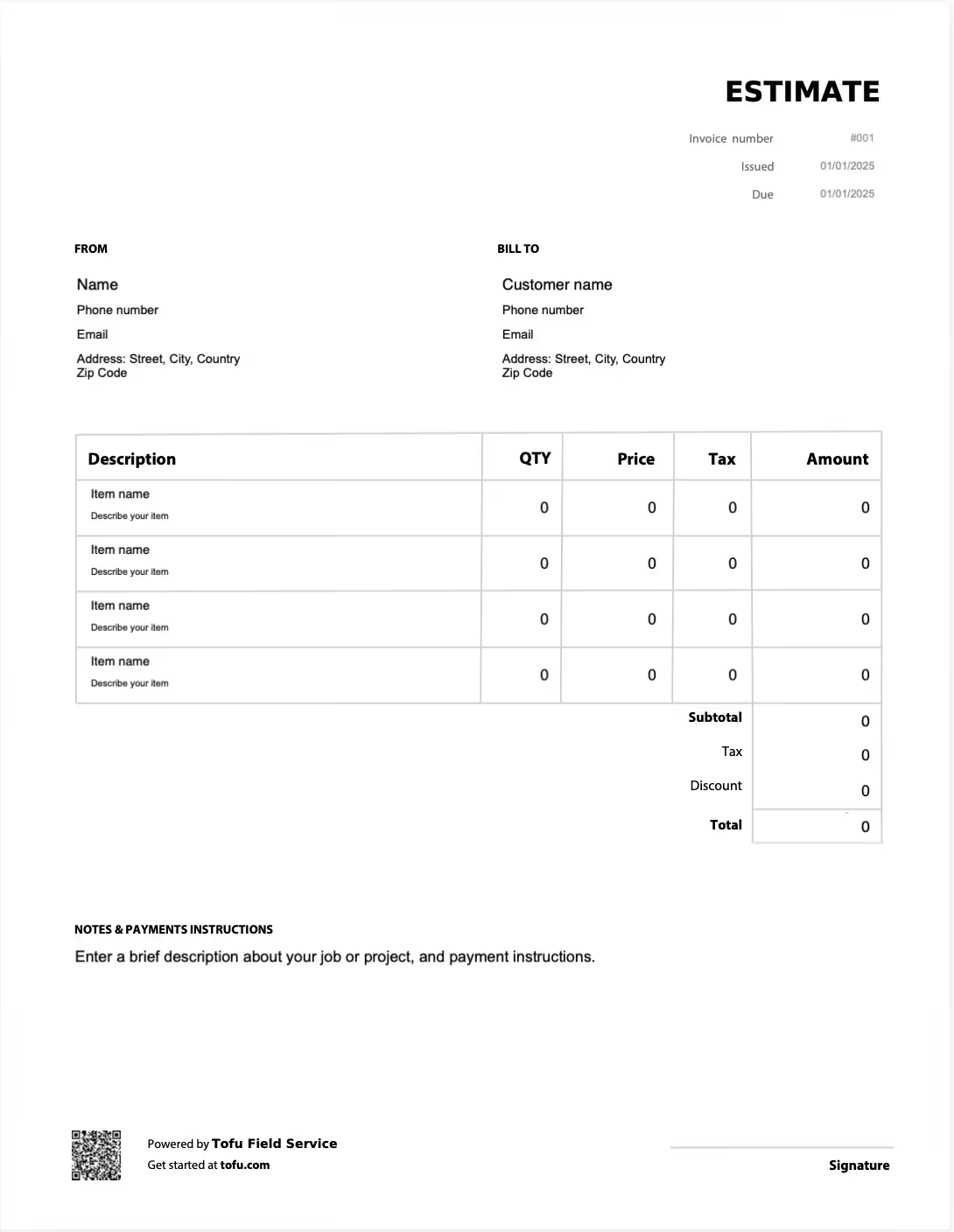
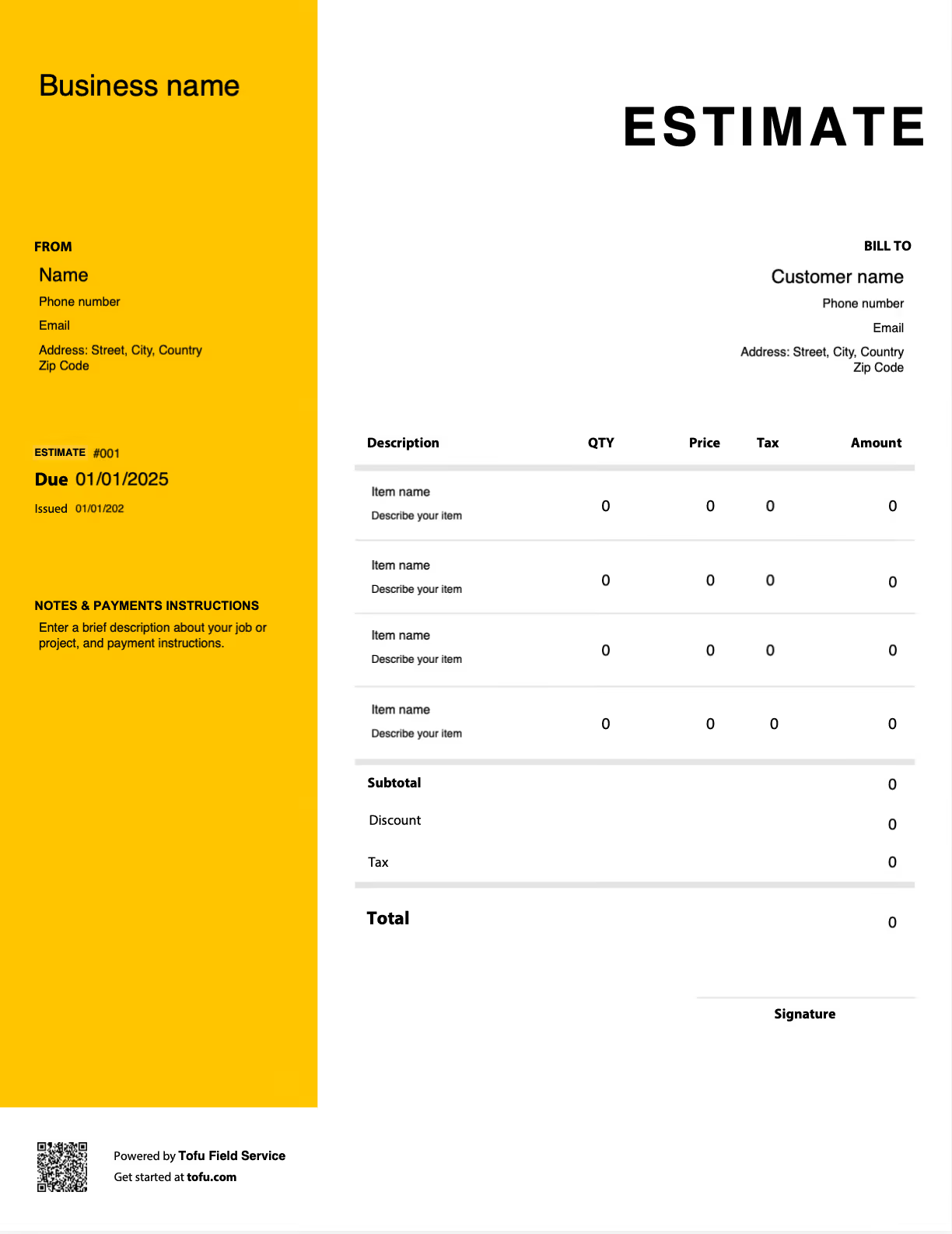
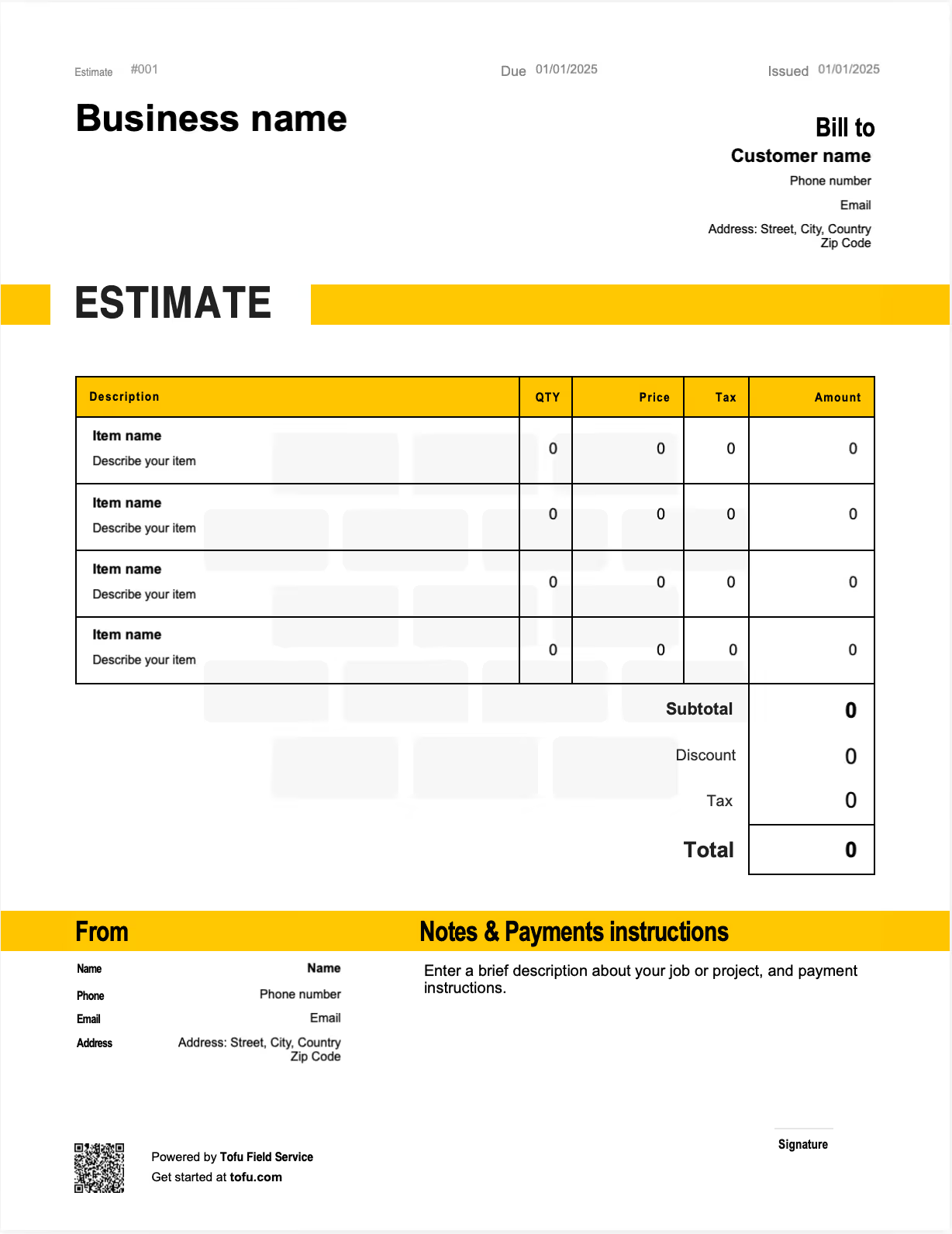
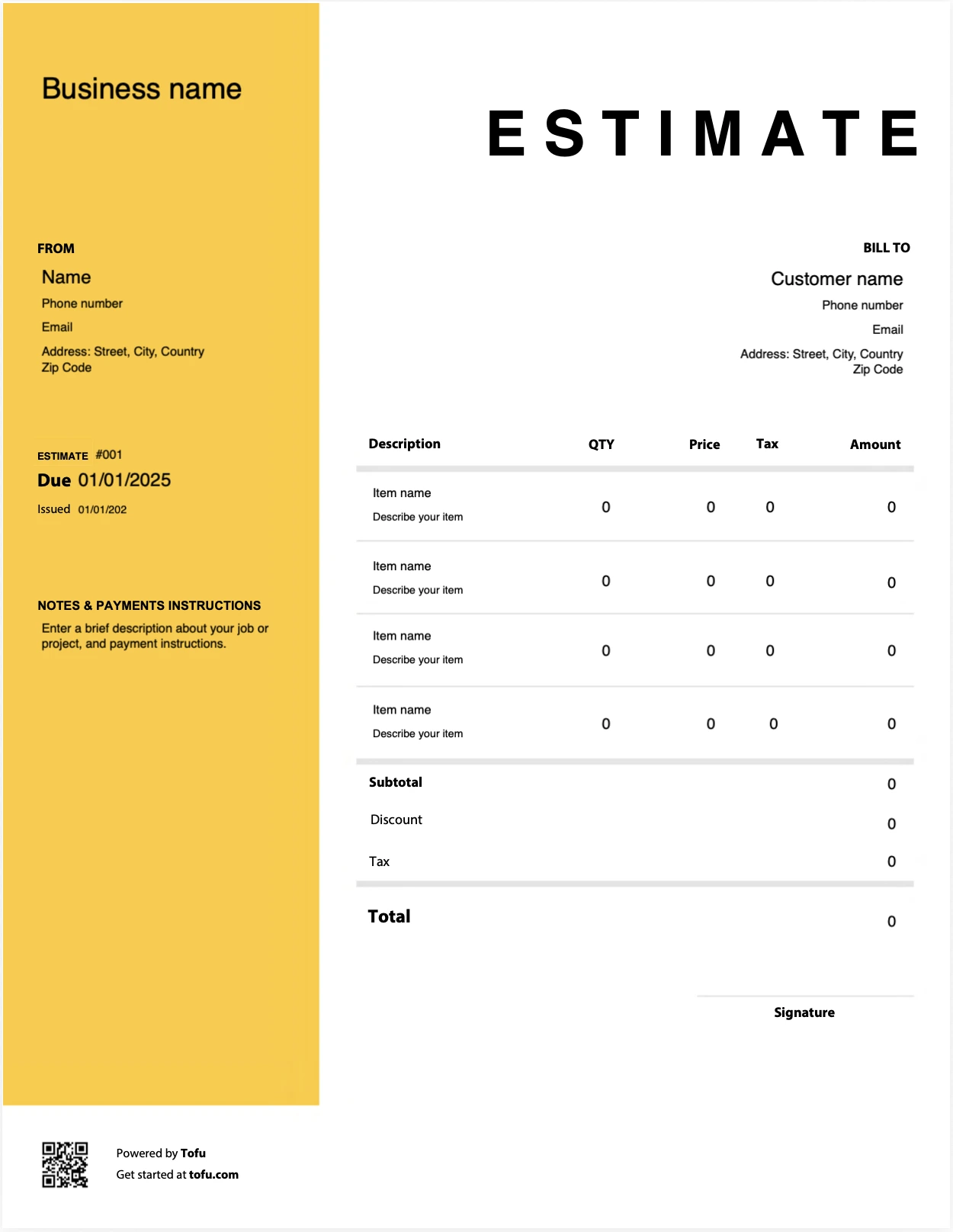
Junk removal quotes move fast: the client wants a number today, often from a couple of photos, and the crew might be there tomorrow. Most jobs are one-offs, so every quote has to win the job on its own. A junk removal estimate template handles that. It gives you a professional, repeatable document that lays out the load, the labor, and the fees clearly, so you look established and the client knows exactly what they're agreeing to. In this guide you'll learn what to include and how to quote hauling jobs.
What to include in a junk removal estimate template
A complete junk removal estimate has to be clear enough for the client to approve confidently and detailed enough to protect you once the truck arrives. Every field below adds clarity or prevents a dispute:
- Contractor info and logo — company name, logo, license, phone number
- Client information — name and service address
- Estimate number and date — tracks the document and sets a timeline
- Scope of work — a single-item pickup, a full cleanout, or debris hauling
- Load size line items — an eighth, a quarter, a half, or a full truck load, priced separately
- Per-item charges — mattresses, refrigerators, and other appliances with their own rates
- Dump and disposal fees — landfill or transfer station charges as their own line
- Total cost with tax — the client-facing figure
- Payment terms — accepted methods and when payment is due
- Expiration date — protects against price changes, such as "valid for 14 days from issue date"
Splitting the load, per-item charges, and dump fees into separate lines is the field that does the most work. When the client sees what each piece costs, the number stops feeling arbitrary.
Junk-removal-specific fields that generic templates miss
A generic contractor estimate won't have a place for what actually drives hauling work. These fields keep quotes accurate and protect you on-site:
- Volume-based pricing, since most junk jobs price by how much of the truck the load fills — quote the fraction clearly
- Access and labor surcharges, such as stairs, long carries, and heavy single items, so the price doesn't silently absorb them
- Dump fees itemized, not folded into a single service charge
- Photo-based scope notes, since quotes often come from photos — note what the estimate assumes, so surprises on-site are billable
Quoting junk removal by volume vs by the item
How you scope the load changes how the estimate is built.
Volume-based estimates
- Quote by the fraction of the truck: an eighth, a quarter, a half, or a full load
- State what's included: loading, hauling, and disposal
- Note the rate if the load runs over the quoted volume
This is how most haulers quote cleanouts: a clear volume price is easy to approve and easy to defend.
Per-item and specialty estimates
- Cover single items: mattresses, appliances, furniture, hot tubs
- Itemize disposal surcharges for regulated items
- Add labor lines for stairs, long carries, or disassembly
The key on either type is handling the unknowns in writing. A contingency line such as "if the load exceeds the quoted volume, billed at $X per quarter truck" sets expectations before the crew starts loading and prevents a mid-job dispute.
How to create a junk removal estimate using a template
Working from a template means you build the estimate the same reliable way every time:
- Assess the load and scope the work from photos or an on-site look
- List load size, per-item, and labor line items separately
- Add dump and disposal fees as their own lines
- Apply markup and set the payment terms
- Assign an estimate number and review for completeness
- Send it for approval and keep a copy
💡 Pro tip: Quote from photos when you can, but write down what the photos show. If the garage turns out to be twice as full, a documented scope turns an awkward conversation into a simple change order.
Choosing the right format: PDF, Excel, or Word
The right format depends on how you work and who's receiving the estimate:
- PDF — best for sending a polished, non-editable estimate to clients. The layout stays fixed between you and the signature.
- Microsoft Excel or Google Sheets — best for automatic totals and reusable line item rows, handy when jobs mix load size, items, and fees.
- Microsoft Word or Google Docs — best for those who prefer a simple, editable document they can customize quickly.
Your next junk removal estimate is 60 seconds away
Open Tofu, add the job details, send it for approval. Your customer sees a clean, itemized estimate before any work begins.
Rated excellent on review platforms

Absolutely amazing! It’s saves so much time and it gives you the professional touch needed to make you look good!
★ ★ ★ ★ ★
Tony W., TrustpilotTofu works with Stripe for on-site card payments, lets me turn estimates into invoices, and instantly syncs jobs, photos, and client notes offline.
★ ★ ★ ★ ★
Tofu user, G2
I use Tofu for my cleaning business, and it solves so many problems for me. I consider it a complete success for myself and my employees.
★ ★ ★ ★ ★
Marjorie N., G2Easy to use and straightforward! Been using it for over a year now!
★ ★ ★ ★ ★
Manuela M., TrustpilotI need some basic features like send estimate, invoice, track my jobs and get money. Tofu is good for that.
★ ★ ★ ★ ★
Tofu user, G2I love it 10 out of 10 would highly recommend to anyone
★ ★ ★ ★ ★
David M., CapterraBenefits of using junk removal estimate templates
A consistent template beats writing each quote from scratch:
- Saves time, so you can send professional estimates while the lead is still warm
- Nothing gets missed, since the structure prompts every field
- A consistent, professional appearance that builds client trust
- Fewer disputes, because scope, load size, and fees are documented up front
- Faster sign-off, since a clear, itemized estimate is easy to approve
- Easier repeat-client quoting, with property managers and realtors getting the same clean format every time
- More clients won, from looking like the most organized hauler on the list
As volume climbs, many junk removal companies graduate from templates to field service software that runs estimates, invoices, and payments in one dashboard, often with a mobile app for the crew.
Common junk removal estimate mistakes to avoid
Most disputes and lost margin trace back to a few avoidable errors:
- Quoting one vague number with no load detail → State the load size and exactly what the price covers
- Folding dump fees and labor into one line → Itemize them so the client can verify costs
- No surcharge terms for stairs or heavy items → Spell out access and labor surcharges before the crew arrives
- Leaving off an expiration date → Add a validity window so a delayed start doesn't lock in an old price
- Quoting from photos without documenting the scope → Note what the estimate assumes so extra volume is billable
Estimates are just the start
Every client, job, estimate, and payment lives in Tofu, ready to pull up in seconds, right from the job site.
FAQs
Everything you need to know about the product and billing

Still have questions?



Create the perfect estimate for your business
Get started for free